
Skip to content
The Paw & Meadow Care Journal

Better Care Begins with a Little Knowledge.

Being a great pet parent is a journey filled with learning, love, and discovery. We're here to make that journey easier with practical advice, everyday inspiration, and helpful tips.

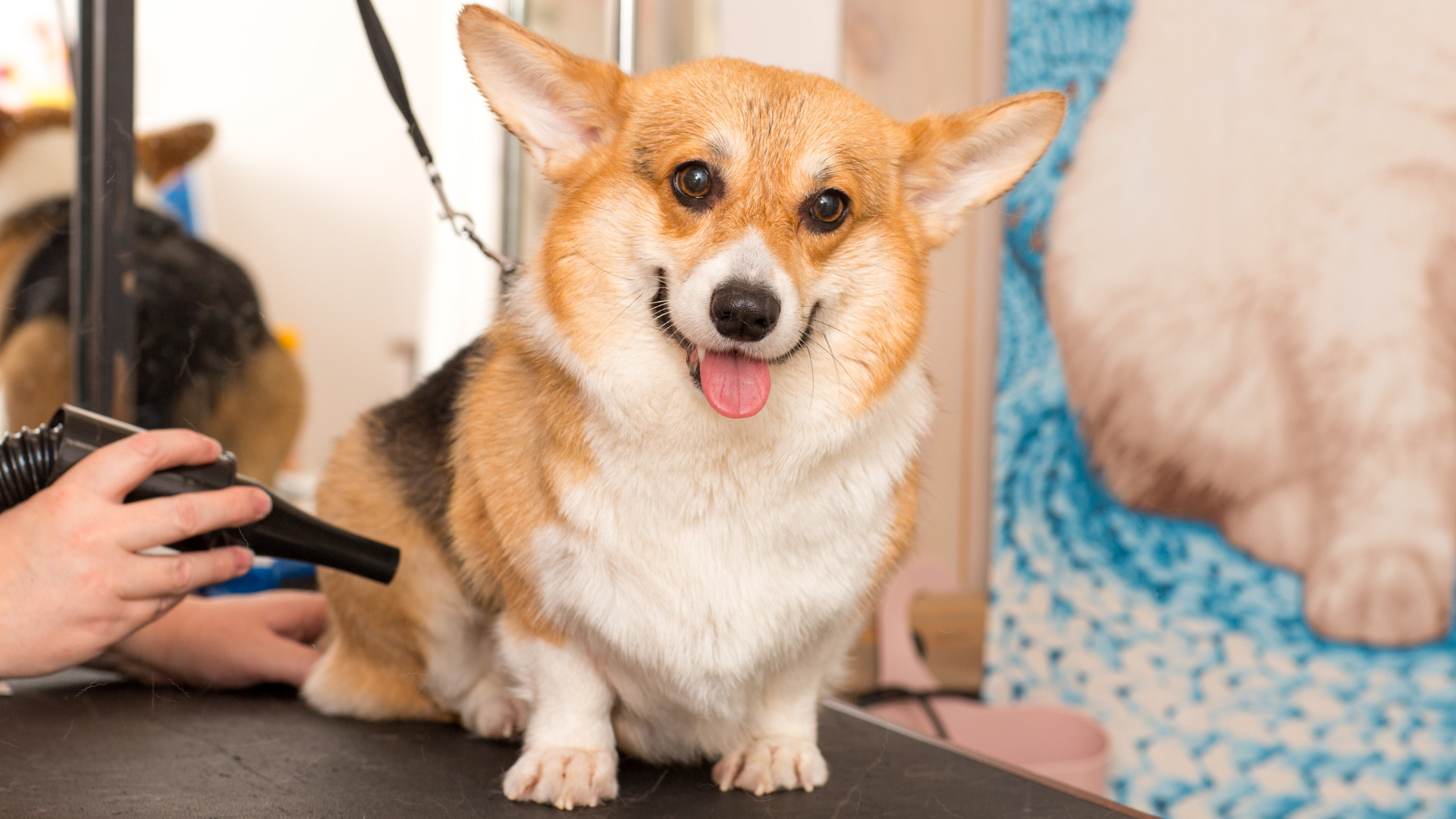
Nutrition & Feeding
The Essentials of a Healthy Diet for Your Pet


Healthy Bowls, Happy Tails. Good nutrition is the foundation of a happy, active life. Learn how to choose appropriate food, understand portion sizes and build healthy feeding habits that support your pet through every life stage.

Every pet has unique nutritional needs based on their species, age, size, activity level and overall health.

Choose complete and balanced food appropriate for your pet's life stage. Dogs and cats have different nutritional requirements, so their diets shouldn't be treated interchangeably.

Establish consistent feeding schedules, provide fresh drinking water daily and monitor body condition to help maintain a healthy weight.

Treats can make training and bonding more enjoyable, but they should generally account for no more than 10% of daily calorie intake unless your veterinarian recommends otherwise.

When introducing a new food, transition gradually when appropriate and monitor your pet's response.

Quick tips

  • Choose species-appropriate, complete and balanced pet food.
  • Provide clean, fresh water every day.
  • Follow feeding recommendations and adjust based on body condition.
  • Keep treats in moderation.
  • Consult your veterinarian about special dietary needs.

Educational information only — not veterinary advice. Consult a licensed veterinarian for medical concerns.

Shop Pet Essentials

Grooming & Hygiene
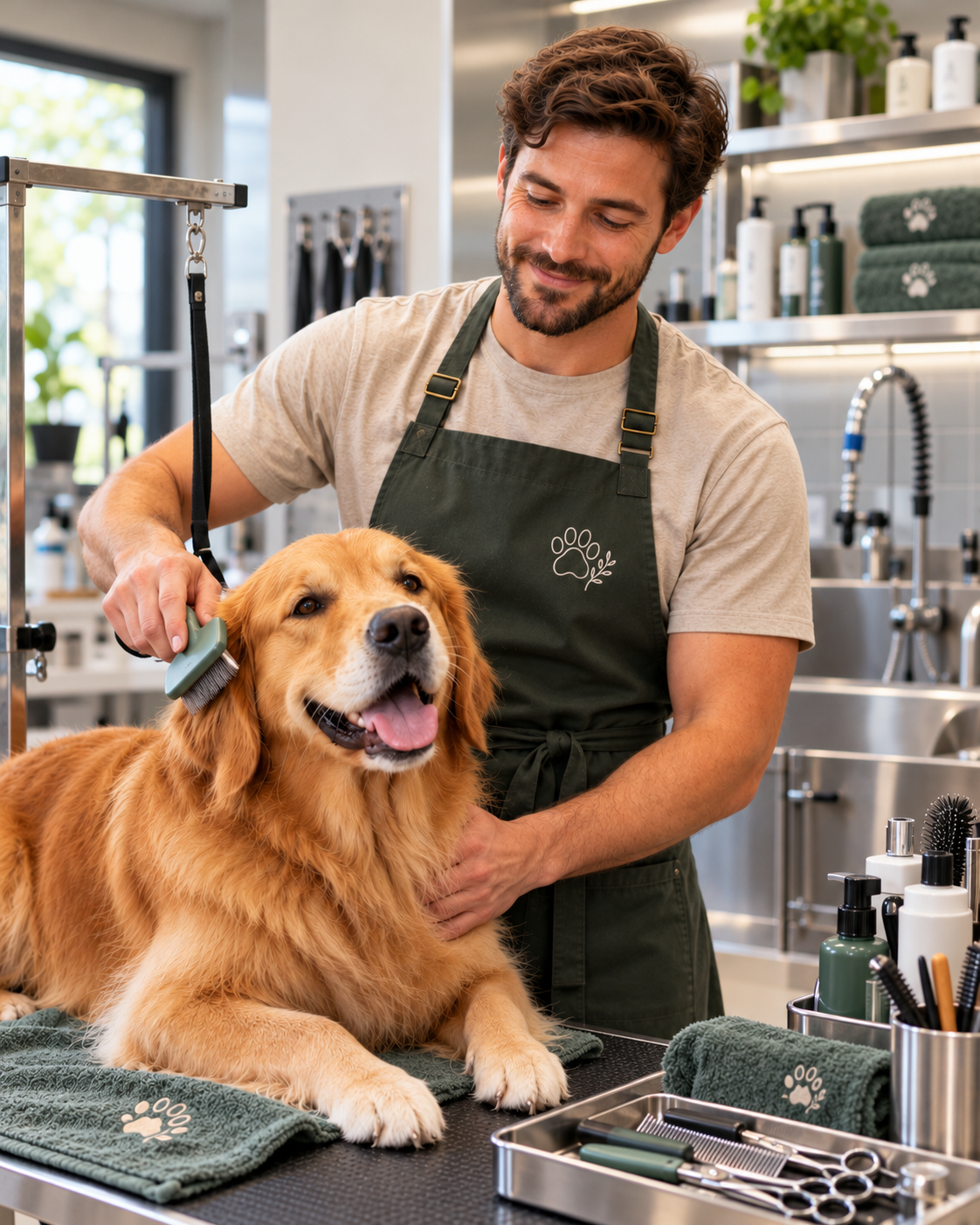
Simple Grooming Habits That Make a Big Difference

Fresh Coats. Comfortable Companions. Regular grooming is about more than looking adorable. Discover easy brushing, bathing and nail-care habits that help your furry companion feel clean, comfortable and cared for.

Grooming plays an important role in your pet's everyday comfort and hygiene.

Regular brushing helps remove loose fur, reduce tangles and identify potential coat or skin concerns. Brushing frequency depends on your pet's breed and coat type.

Bathing should be based on your pet's individual needs using pet-appropriate products. Excessive bathing or unsuitable shampoos may irritate sensitive skin.

Routine nail checks are also important, since overgrown nails can affect comfort and mobility.

Introduce grooming gradually, especially for puppies, kittens or nervous pets. Use positive reinforcement and short, gentle sessions.

Quick tips

  • Brush regularly according to coat type.
  • Use shampoos formulated for your pet's species.
  • Check nails and paw pads routinely.
  • Keep grooming sessions gentle and positive.
  • Seek professional assistance for severe matting or difficult grooming needs.

Educational information only — not veterinary advice. Consult a licensed veterinarian for medical concerns.

Shop Pet Essentials

Behavior & Training
Building Better Habits Through Positive Reinforcement

Good Habits Begin with Positive Moments. Help your pet learn with patience, consistency and encouragement. Explore simple training strategies that strengthen communication, build confidence and make everyday routines more enjoyable.

Training is an opportunity to build trust and understanding between you and your pet.

Positive reinforcement rewards desirable behaviors with treats, toys, praise or other things your pet enjoys.

Start with achievable goals, such as responding to their name, coming when called or settling calmly in a designated area.

Keep training sessions short and appropriate for your pet's attention span. Practice consistently while avoiding intimidation and punishment-based methods.

For dogs, basic cues such as sit, stay and recall can support everyday manners and safety. Cats can also benefit from reward-based training, including carrier familiarity and simple enrichment exercises.

Quick tips

  • Reward behaviors you want to encourage.
  • Practice in short, consistent sessions.
  • Use clear cues and predictable routines.
  • Allow pets to learn at their own pace.
  • Seek qualified behavior support for persistent or serious concerns.

Educational information only — not veterinary advice. Consult a licensed veterinarian for medical concerns.

Shop Pet Essentials
Health & Wellness
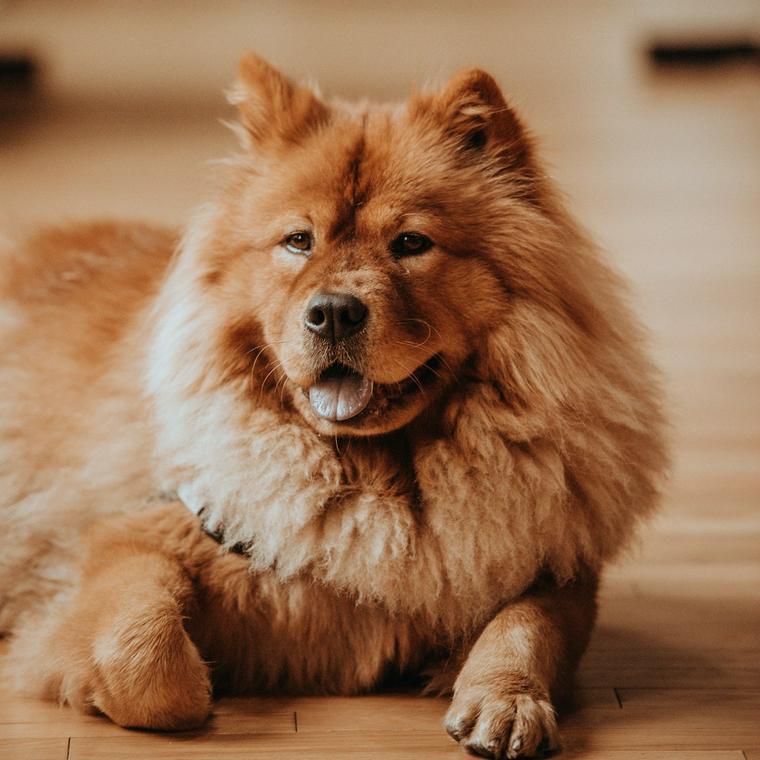
Everyday Wellness Habits Every Pet Parent Should Know

Little Habits for a Healthier Life. Small routines can make a meaningful difference in your pet's well-being. Learn about preventive care, physical activity, dental hygiene and recognizing changes that may need professional attention.

A healthy lifestyle includes more than nutritious meals and regular grooming.

Preventive veterinary care helps support your pet's long-term well-being. Ask your veterinarian about suitable examinations, vaccinations, parasite prevention and dental care.

Daily movement and age-appropriate activities can help maintain physical fitness and provide mental stimulation.

Pay attention to changes in appetite, energy, drinking habits, mobility, bathroom routines and behavior.

If your pet experiences sudden or concerning symptoms, contact a veterinarian rather than relying solely on online advice.

Quick tips

  • Schedule veterinary checkups as recommended.
  • Maintain appropriate vaccination and parasite prevention plans.
  • Encourage regular, suitable exercise.
  • Practice pet-safe dental hygiene.
  • Monitor changes in behavior and physical condition.

Educational information only — not veterinary advice. Consult a licensed veterinarian for medical concerns.

Shop Pet Essentials
Safety & Prevention
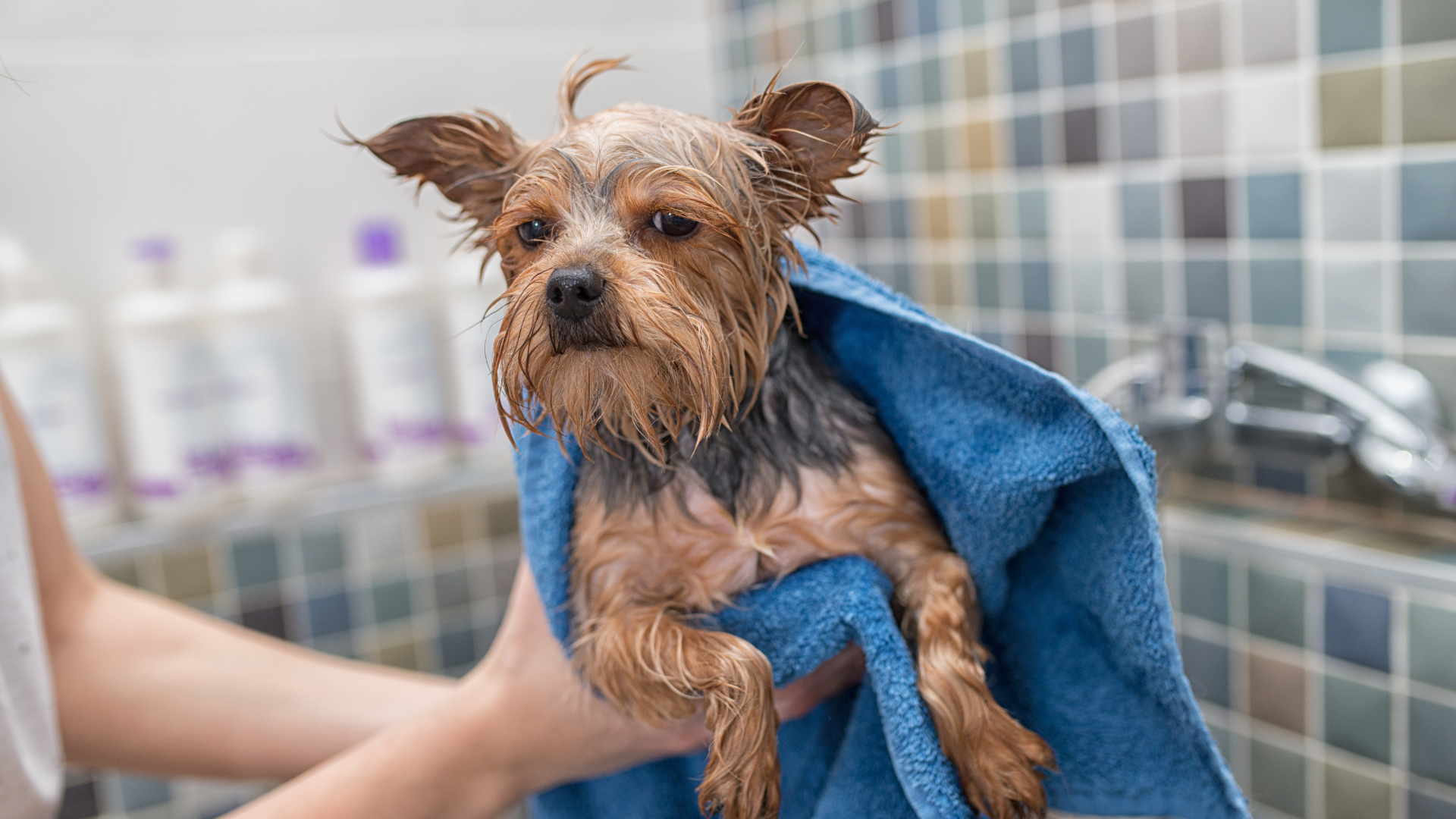
Creating a Safer Everyday Environment for Your Pet

Safe Spaces. Happy Adventures. From household hazards to outdoor adventures, a little preparation can go a long way. Discover practical ways to make your home and daily activities safer for your beloved companion.

A pet-friendly environment starts with identifying and reducing potential hazards.

Store medications, cleaning chemicals, sharp objects, electrical cords and unsafe foods where curious pets cannot reach them. Research household plants before bringing them home, since some common varieties can be toxic to dogs or cats.

Choose toys appropriate for your pet's size and chewing behavior, and inspect them regularly for damage.

During outdoor activities, use properly fitted collars or harnesses, secure identification and appropriate supervision.

Never leave pets unattended in parked vehicles. Even when outside temperatures seem mild, temperatures inside a vehicle can become dangerous quickly.

Quick tips

  • Keep harmful substances and foods out of reach.
  • Check whether plants are safe for your pets.
  • Inspect toys for damage and choking hazards.
  • Use secure identification and properly fitted walking equipment.
  • Have an emergency plan and veterinary contact information available.

Educational information only — not veterinary advice. Consult a licensed veterinarian for medical concerns.

Shop Pet Essentials
Free for pet parents

Get Our Free Pet Care Guides.

Choose a guide and we'll send it straight to your inbox.

Pet Care Checklist

A simple daily, weekly and yearly routine for happy, healthy pets.

New Pet Owner Guide

Everything to prepare before your new companion comes home.

Monthly Pet Tips

One helpful, practical tip in your inbox every month.

Pet Nutrition Guide

How to choose food, manage portions and keep treats in balance.

Every little act of care makes a difference

Every Little Act of Care Makes a Difference.

Whether you're choosing your pet's next favorite treat, creating a comfortable grooming routine, or learning something new about their well-being, Paw & Meadow Pet Co. is here to support you along the way.